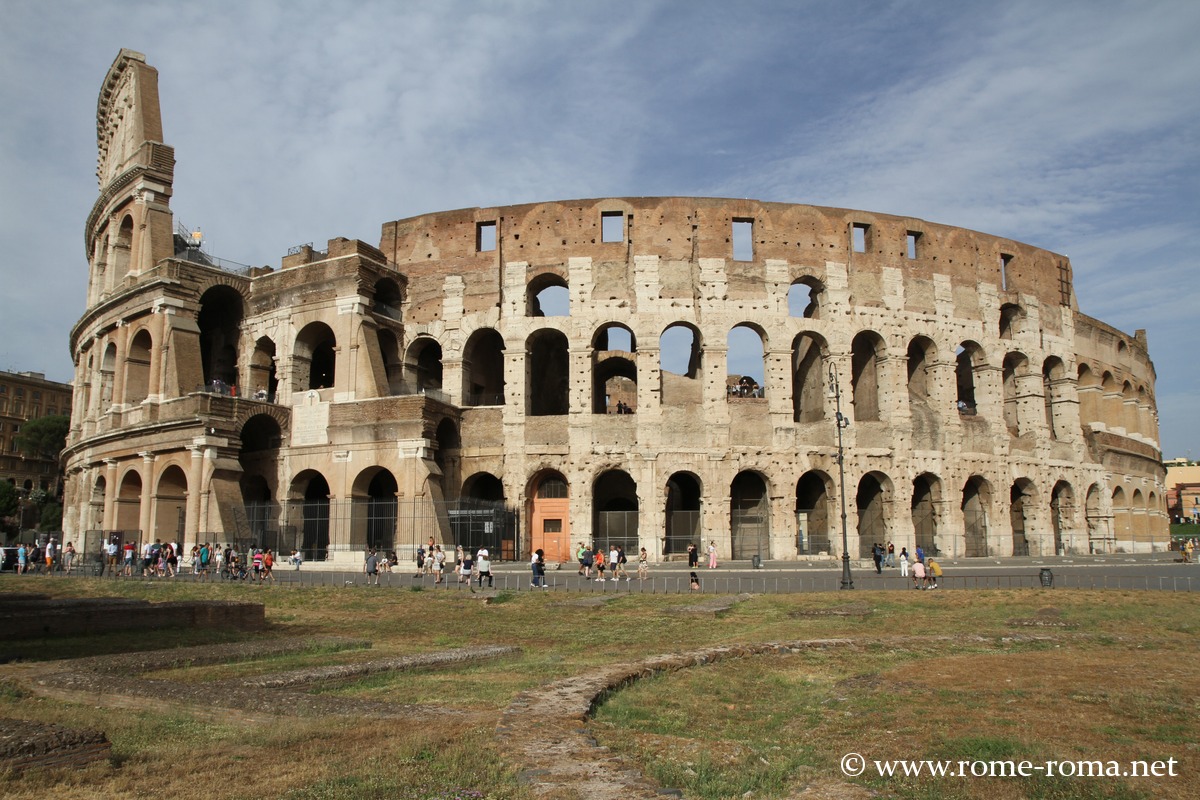
Visits and guided tours for the Colosseum
 Hotels, B&B and rooms near the monument
Discovery of the Colosseum, schedules, information and visit of the emblematic ancient building of Rome, architecture and history of the monuments of the city.
Roman Forum of Rome
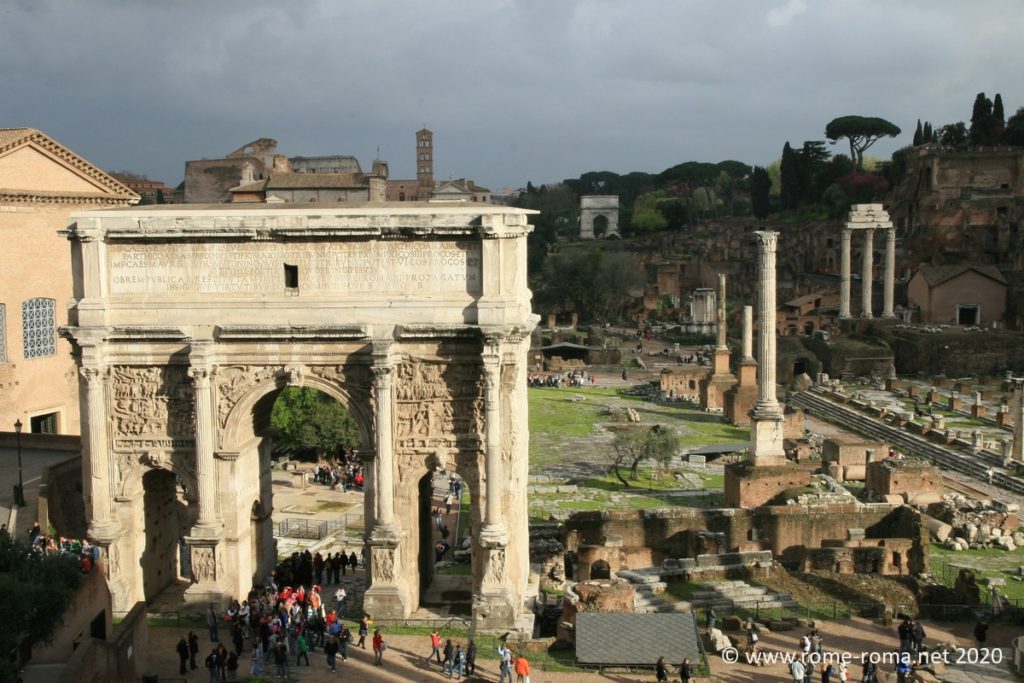
The Roman Forum is one of the most fascinating archaeological sites of the Roman world, a remarkable opportunity to travel back in time.A full visit may take several hours to explore its countless remains and delve into the rich history of its many buildings. The Via Sacra, an ancient paved street, runs through the site […]
Pantheon of Rome
The Pantheon, one of the best-preserved ancient monuments in Rome, is an essential stop to understand Roman history.Designed as a temple dedicated to the Roman gods, this masterpiece is an exceptional example of Roman architecture, not only by its style but also by the technical ingenuity it reveals.It stands out for the harmonization of several […]
Appian Way Regional Park
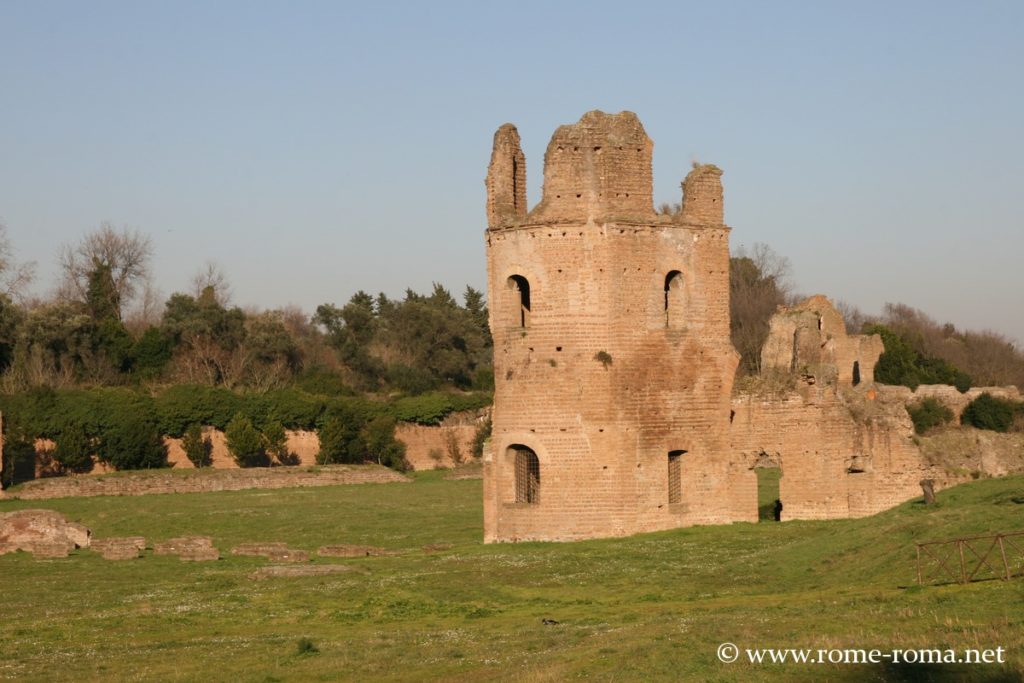
The Appian Way, the first paved road built by the Romans, leads southeast out of Rome through the Saint Sebastian Gate. A large natural and archaeological park has been developed along it and in the surrounding areas, covering 3,500 hectares, with its many mausoleums and funerary monuments, Jewish and Christian catacombs, villas, and Roman buildings.It’s […]
National Roman Museum
The National Roman Museum was established in 1889 to preserve and showcase the remains of ancient Rome. It houses the most important archaeological collection in the world, gathering artifacts discovered during excavations in the city and its surroundings. This institution is spread across four landmark sites in Rome, each offering a different perspective on Roman […]
Etruscan necropolises of Cerveteri
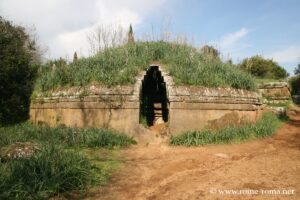
The necropolises of Cerveteri, located 45 km northwest of Rome, notably the Banditaccia site, are among the most remarkable Etruscan funerary sites. They feature a vast and unique ensemble of tombs mainly dating from the 9th to the 3rd century BC.The burials, either carved into tuff or built as tumuli, reveal elaborate architecture and elements […]
Ostia antica
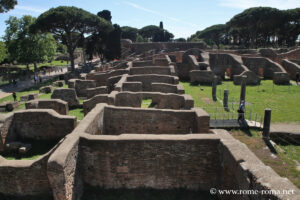
Ancient Ostia is a fascinating archaeological site about 20 km from Rome, and its visit is well worth it.The tranquility of the place and its reasonable number of visitors make it a welcome break from the noisy city of Rome. Near the ancient mouth of the Tiber, Ostia Antica is one of the largest and […]
Hadrian’s Villa
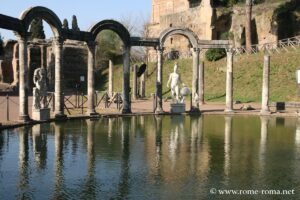
The archaeological site of Hadrian’s Villa (Villa Adriana in Italian) is one of the largest and most impressive architectural complexes of ancient Rome.Located about 25 km from Rome, this villa was built by Emperor Hadrian starting in the year 126 AD, to serve as his residence.It was abandoned with the fall of the Western Roman […]
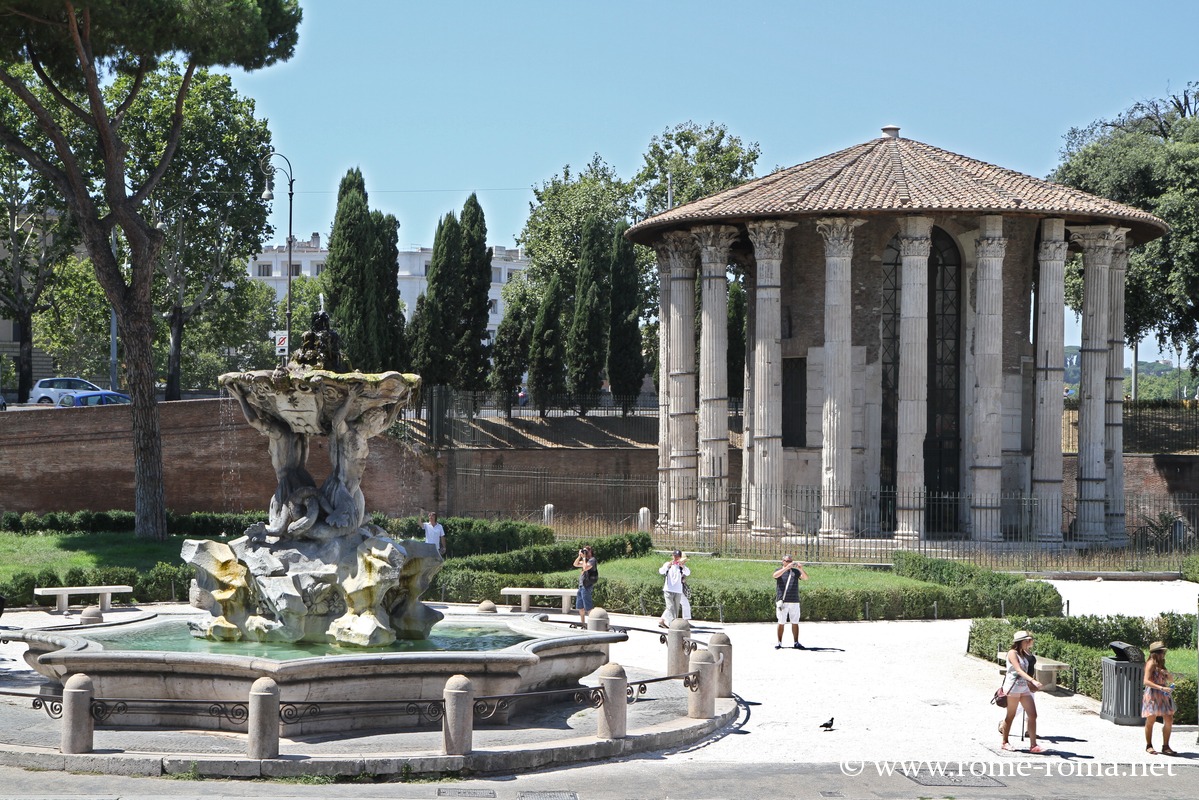
Boarium Forum
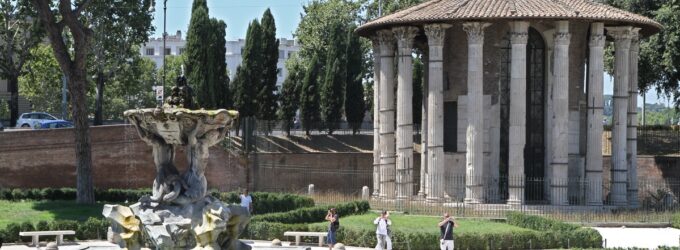
The Forum Boarium, located today on the famous Piazza della Bocca della Verità, was one of the major economic centers of ancient Rome. Today, its remains attract visitors and archaeologists, offering a unique insight into Republican and Imperial Rome, as a site integrated into the religious and commercial topography of Rome. Remains and religious significance […]
Imperial Fora, a monumental ensemble
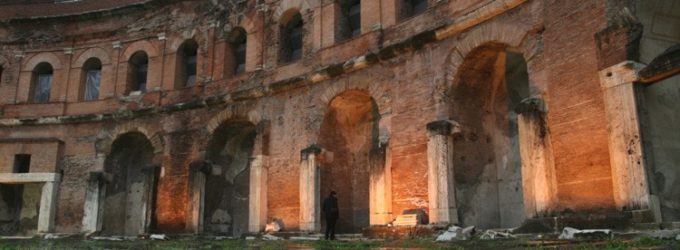
The Imperial Fora, today crossed by the avenue of Via dei Fori Imperiali, which covers a large portion of this site, form an architectural complex of exceptional scale. This complex brings together several monumental buildings and squares, erected from the end of the Roman Republic and during the first 150 years of the Roman Empire. […]
Trajan’s Forum
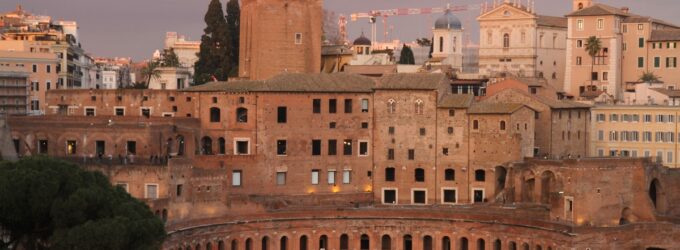
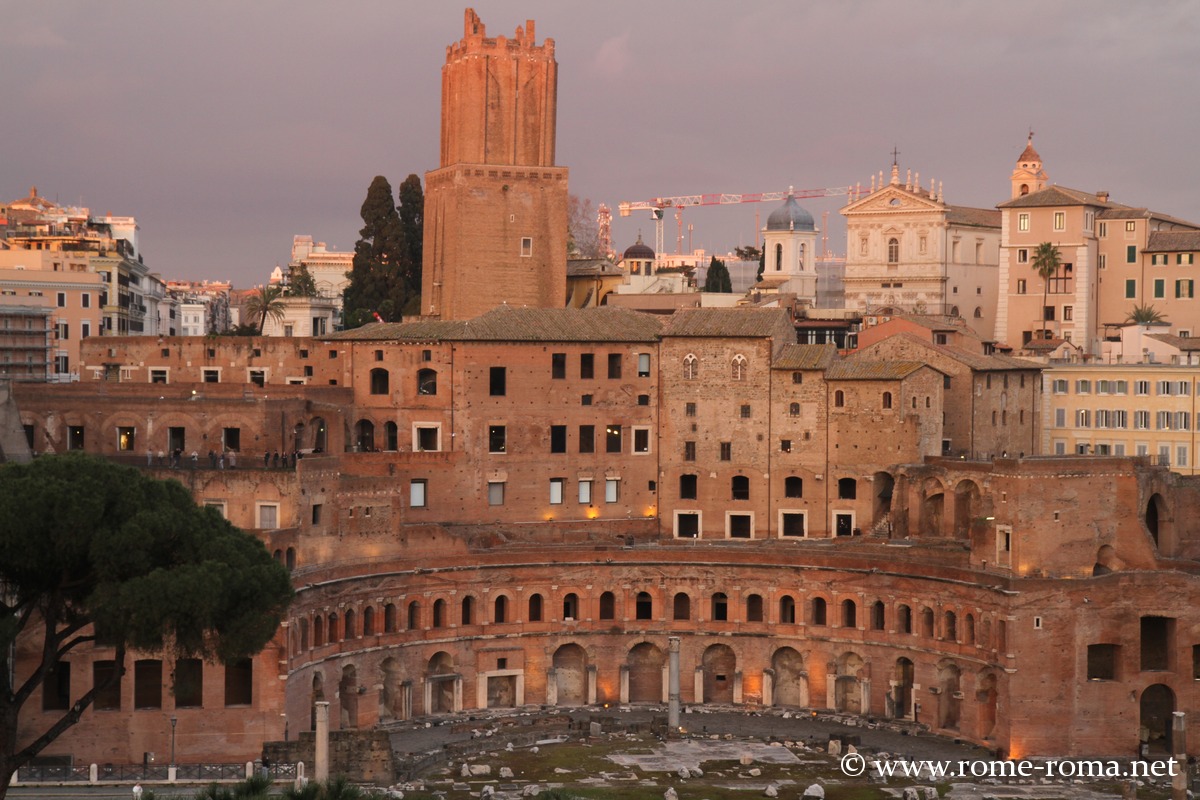
Built at the beginning of the 2nd century by Emperor Trajan and the architect Apollodorus of Damascus, the complex completed the sequence of the Imperial Fora and pushed the technical limits of Roman urban planning: part of the neighboring hill was leveled to create a vast 300-meter-wide esplanade with porticoes. Main Features of the Forum […]
Trajan’s Market Museum
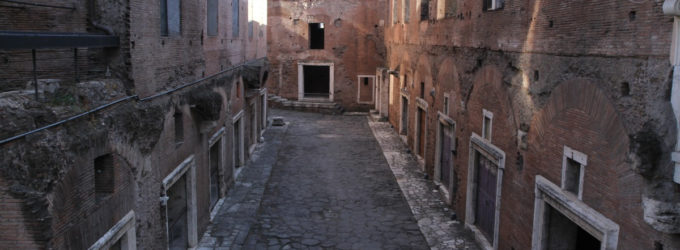
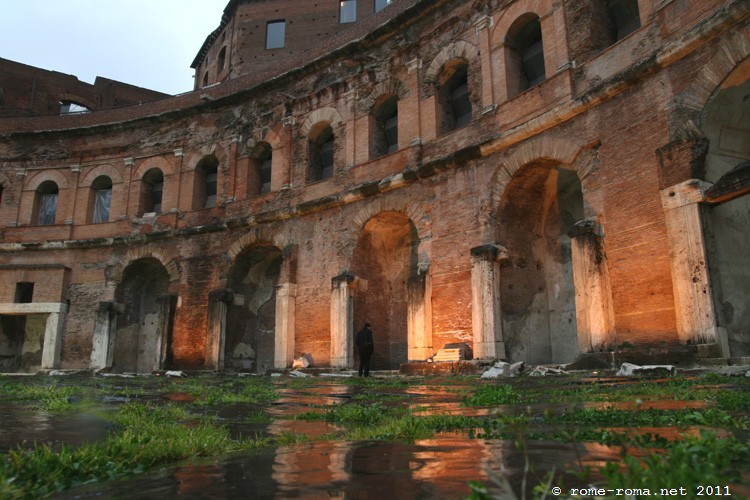
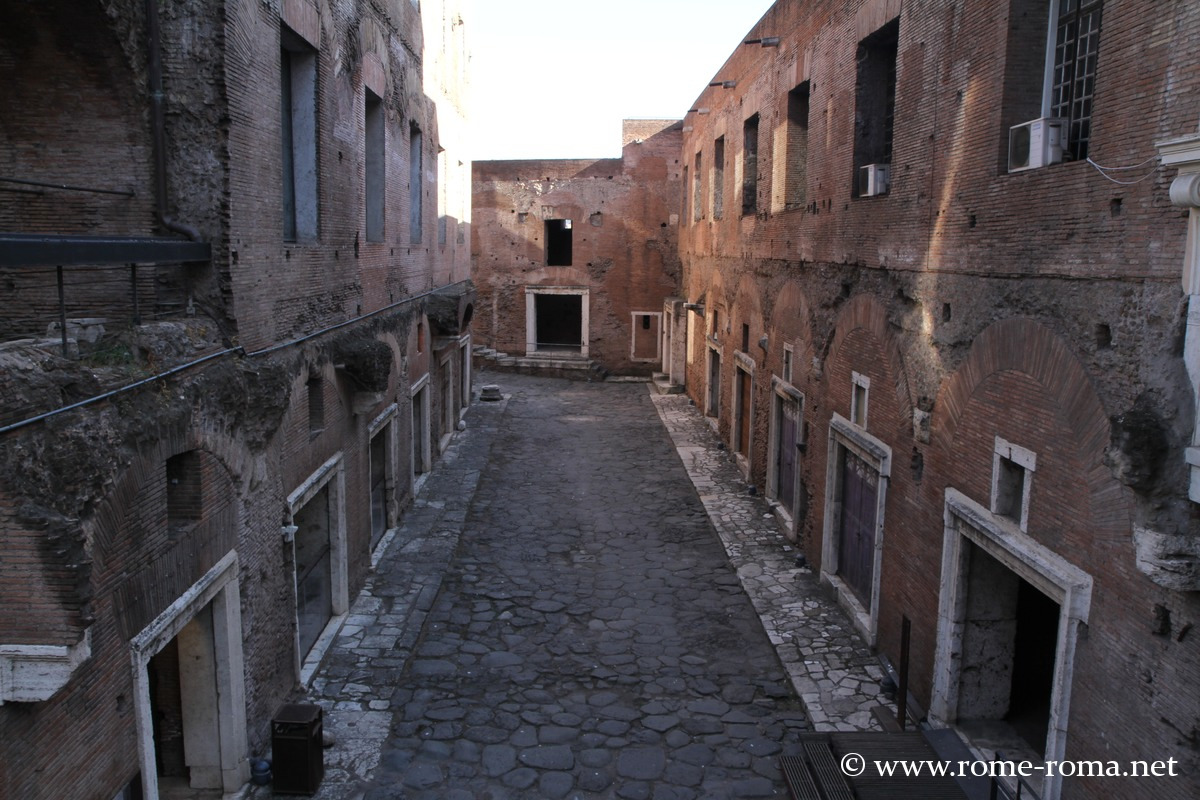
The very interesting Museum of the Imperial Forums – Trajan’s Markets (Mercati di Traiano Museo dei Fori Imperiali) is topographically and historically connected to the vast urban complex of the Imperial Fora: those of Caesar (46 BC), Augustus (2 BC), the Temple of Peace (75 AD), Nerva (97 AD), and Trajan (113 AD). Opened in […]
Baths of Diocletian
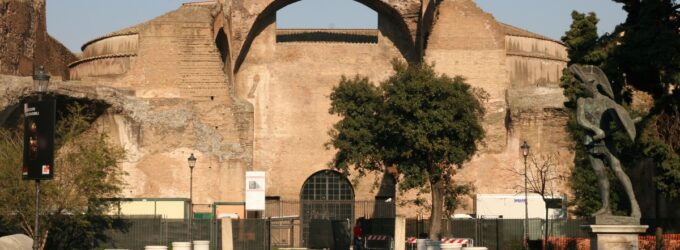
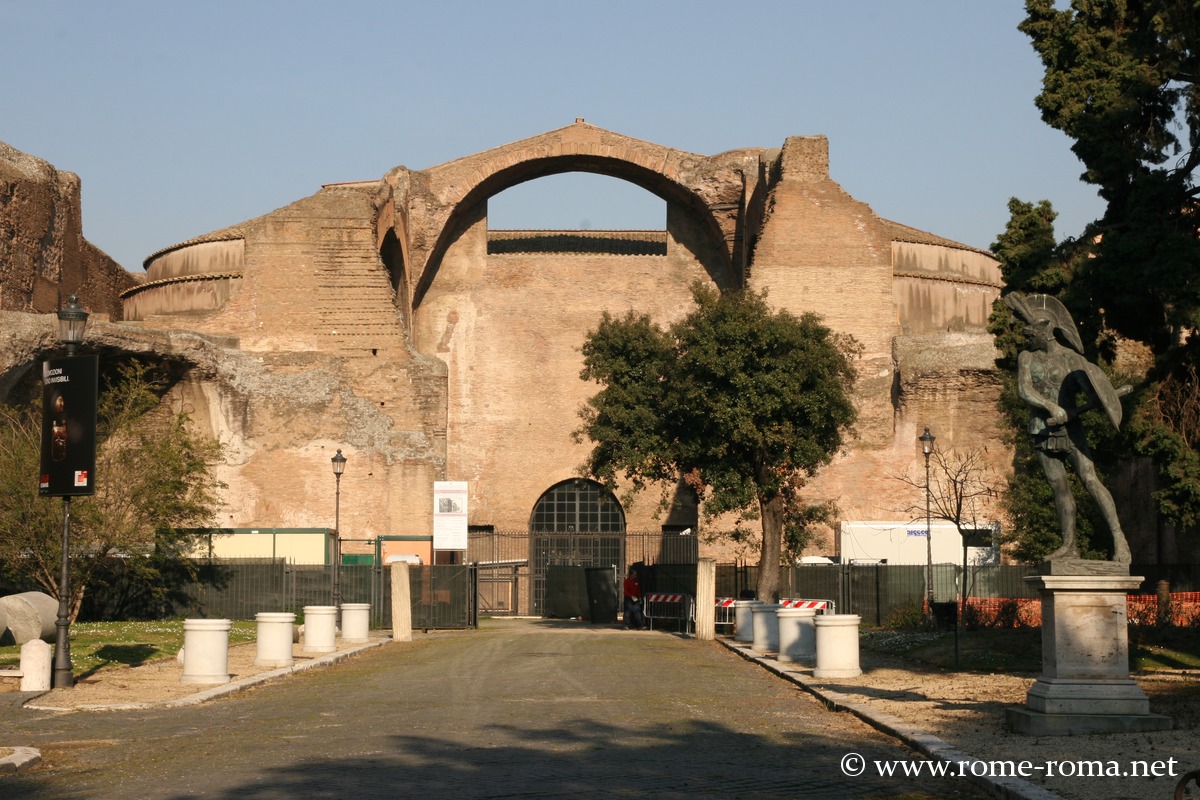
The Baths of Diocletian, built between 298 and 306 AD under Emperor Diocletian and his co-emperor Maximian, are the largest bath complexes ever constructed in Rome. Located on the Viminal Hill, near the Piazza della Repubblica, they covered an impressive area of 13 hectares, with dimensions of 380 × 370 meters, capable of accommodating up […]
Baths of Caracalla
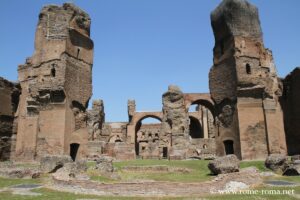
The Baths of Caracalla are one of the most grandiose examples of Roman imperial baths, with a significant part of their structure still preserved. Highlights on the site: The vast bathing halls (frigidarium, tepidarium, caldarium) illustrating the complex organization of the baths. The mosaics and decorated floors, bearing witness to the luxury and artistry of […]
Etruscan necropolis of Monterozzi in Tarquinia
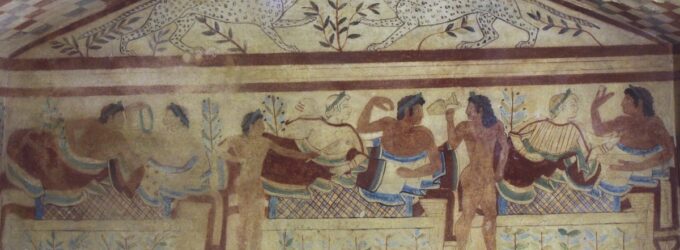
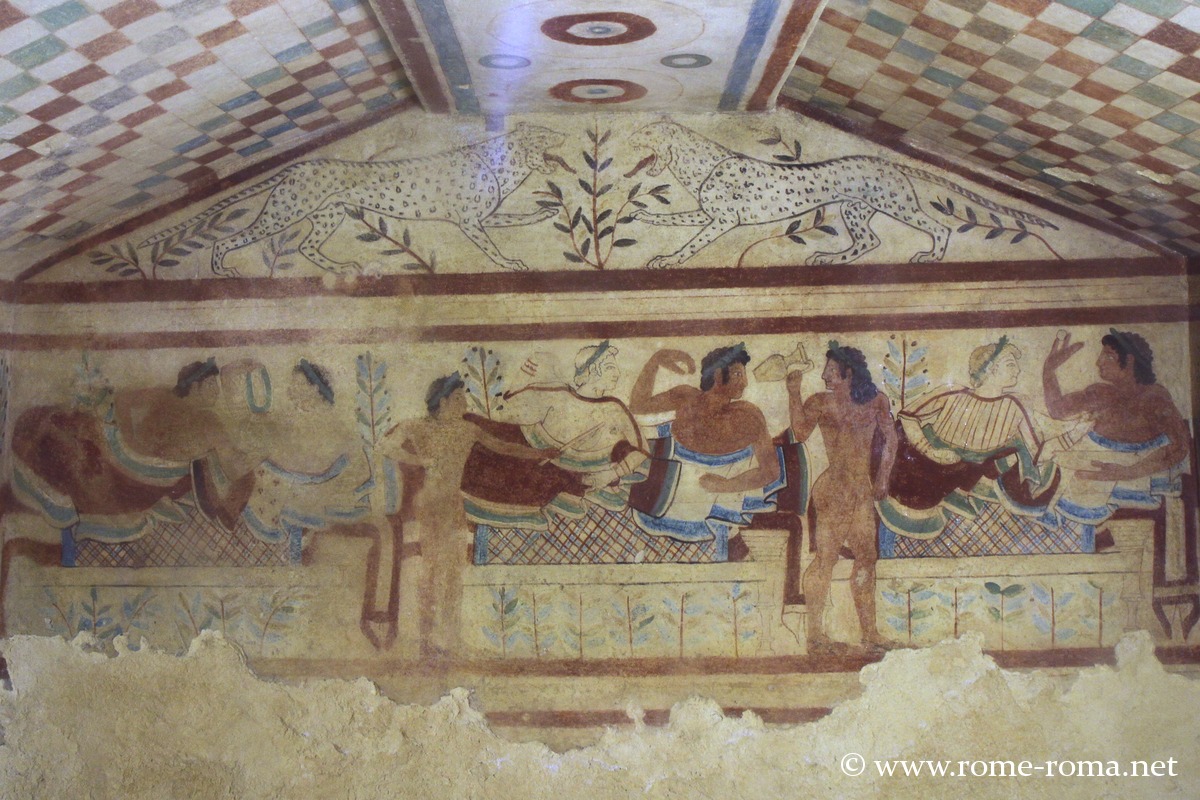
The Monterozzi Necropolis, on the eponymous hill near Tarquinia, spans a vast plateau of over 100 hectares and contains around 6,000 tombs carved into tuff. Approximately 200 are painted, with the oldest dating to the 7th century BC, and the rest spanning up to the 1st century BC. About fifty tombs are open to visitors. […]
Trajan’s Column
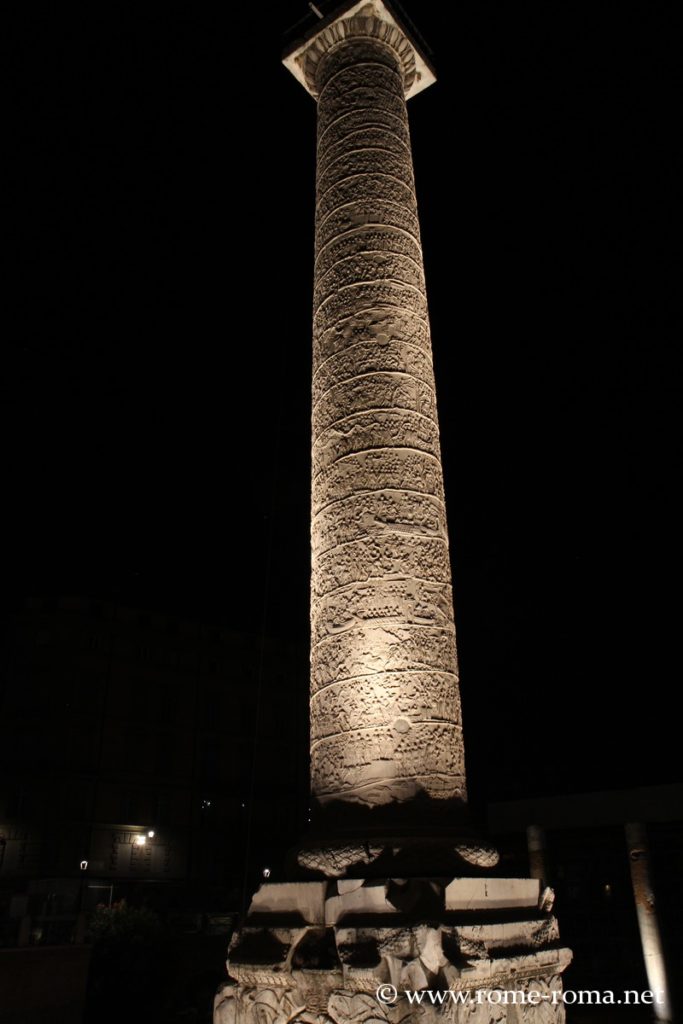
The reliefs of the Trajan’s column in Rome recount the emperor’s military campaigns against the Dacians. High by about 30 meters, it is a monument located on the forum of Trajan. Discovery and information.